Founded in 1975 to help small commercial herbicide applicators navigate increasingly complex and inconsistent state regulations, NRCA has since transformed training and certification for the railroad vegetation management industry.
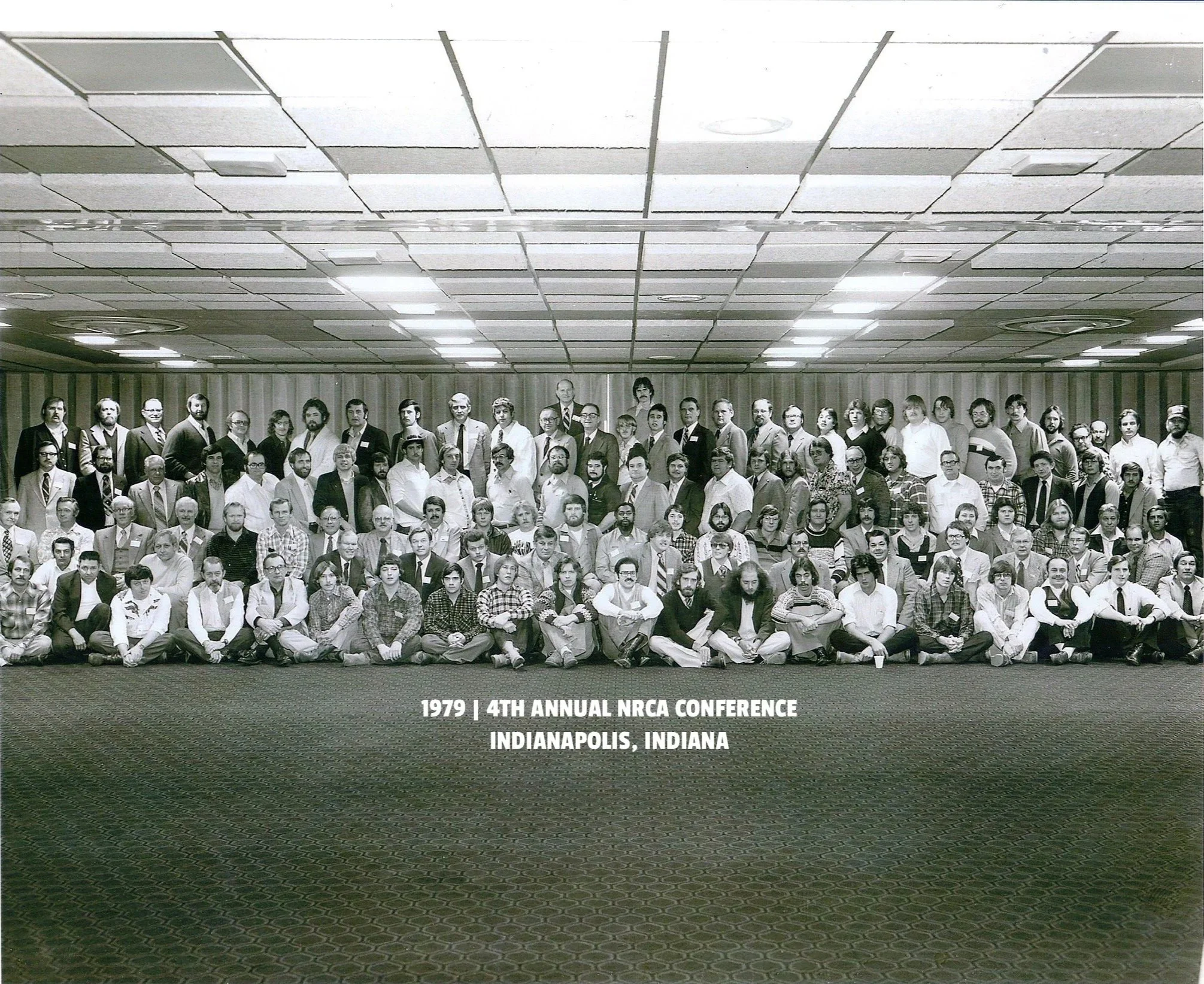
NRCA achieved a major breakthrough at its 1979 seminar, a single Indiana certification test that provided license reciprocity in over 30 states, simplifying compliance through standardized training programs and multi-state certification systems.
-
The program was a cooperative effort between the NRCA, Dr. John Oswalt PhD, Pesticide Training and Assessment Coordinator in Purdue University’s Department of Entomology, Dr. Harvey Holt, PhD, a right-of-way herbicide specialist in Purdue’s Department of Forestry and Natural Resources, and L.O. Nelson of the Indiana State Chemist’s Office. This group developed the training and certification system used across the industry today.
By consolidating training and testing, the NRCA and its partners have dramatically reduced the time, cost and administrative burden for contractors and railroads, delivering major savings across the industry and for the customers and consumers they serve. The program is now accepted in more than 40 states and continues to foster collaboration at across all levels of the industry.

RAILS through time
Explore the milestones and archives that shaped our history.
1975
NRCA Founded
Small commercial herbicide applicators unite to form the National Railroad Contractors Association.
1976
First Cooperative Training Event held in St. Louis, MO
Participation by 15 states; each still requires separate certification exams, highlighting the need for a more unified approach.
1978
Third Annual Event held in Columbus, OH
Participation grows to 26 states; applicators still face up to 16 separate state exams, revealing the urgent need for reciprocity and standardization. Dr. John Oswalt PhD, Pesticide Training and Assessment Coordinator at Purdue University’s Department of Entomology, joins as a guest instructor.
Formal agreement with Dr. Oswalt
Following the event, NRCA formally hires Dr. Oswalt to develop a unified training program, standardized certification testing system, secure continuing education status and promote reciprocity among states. By allocating $5000 to support these efforts, it reflects the NRCA’s objective to raising industry standards.
View the original contract retaining Dr. Oswalt at $200 per day.
Partnership with Indiana State Chemist and Purdue University
A cooperative program is established to administer and grade certification exams for multiple states. This new partnership brings in Dr. Harvey Holt PhD, a right-of-way herbicide specialist in Purdue’s Department of Forestry and Natural Resources, and L.O. Nelson of the Indiana State Chemist’s Office.
1979
Fourth Annual Event introduces Indiana-based Certification
A new single certification test is introduced in Indianapolis and accepted by over 30 states, marking a breakthrough in multi-state reciprocity.
1979 RT&S Feature Article
Railway Track & Structure highlights the NRCA’s breakthrough in consolidating training and certification.
View “Vegetation control seminar simplifies licensing, attracts railroad attendance.”
Industry Integration with Railroad Representation on NRCA Board
Donald E. Gallery, Vegetation Control Engineer for the Illinois Central Gulf Railroad becomes the first railroad representative elected to the NRCA Board of Directors, strengthening contractor-railroad collaboration.
1980
Near-Nationwide Recognition
Almost 40 states honor the certification program.
1980 RT&S Feature Article
Dr. John Osmun, Purdue University professor and Pesticide Training Coordinator, publishes an article in Railway, Track & Structures highlighting how the NRCA-Purdue-Indiana partnership is transforming the industry and elevating herbicide application to a scientific, competency-based profession.
View “Vegetation Control: The State of the Art.”
1982
SSI-Purdue Letters
SSI Industries writes to Purdue University detailing the NRCA program’s significant cost savings; Purdue shares internally, commenting on its contributions to the nation’s economic and social well-being.
View the communication.
1990
Indiana Program for Railroad Right-of-Way Pesticide Applicators
Document reviewing the program structure, defining procedures, responsibilities and what it accomplishes.
View the early program.